Fading, peeling, chalking, cracking, water stains, and more, these are the 10 telltale signs that your home's paint is failing and what to do about it before minor issues become expensive structural problems.
Paint does not last forever, but many homeowners wait far too long to repaint, until what started as minor surface wear has become an expensive structural problem. Recognizing the early warning signs of paint failure allows you to act before water damage, mold, and wood rot set in. Here are the 10 most important signs your Brevard County home needs new paint, covering both interior and exterior surfaces and including the Florida-specific climate factors that accelerate paint degradation on the Space Coast.
1. Peeling or Flaking Paint
Peeling paint is the clearest and most urgent sign of paint failure. When paint peels, it has lost adhesion to the surface beneath it, a condition caused by moisture intrusion from outside or inside the wall, improper surface preparation before the last paint job, or paint simply reaching the end of its service life after years of thermal expansion and contraction.
Where to look: On exteriors, inspect under windowsills, eaves, around door frames, and on south- and west-facing walls that take the most direct sunlight. Indoors, check bathroom ceilings, walls near plumbing fixtures, window casings, and any wall adjacent to an exterior that may be allowing moisture infiltration.
The risk if ignored: Peeling paint exposes the substrate, wood framing, drywall, or CBS stucco, to moisture and begins a cycle of rot, mold, and structural degradation that costs far more to repair than a timely repaint. In Brevard County's coastal humidity, exposed substrates degrade faster than in drier climates.
2. Fading Colors
Florida's UV index is among the highest in the continental United States. Exterior paint colors, especially reds, blues, greens, and darker tones, fade noticeably within 5–8 years even when quality paint is applied. Fading is not purely cosmetic; it signals that the pigments binding the paint together are breaking down, which means the coating is losing its protective properties along with its visual appeal.
How to check: Compare the paint color on south- and west-facing walls to north-facing walls. Dramatic color differences indicate UV degradation. If your home's trim looks like a different shade than the body of the house, UV fading is the likely culprit.
Interior fading is more gradual but equally real. Rooms with large south- or west-facing windows, increasingly common in newer Brevard County homes designed to capture natural light, may show significant color shift within 4–6 years on the most sun-exposed walls.
3. Chalking
Chalking is a specific type of paint degradation where the binder in the paint breaks down, leaving a powdery residue on the surface. Run your palm along an exterior wall on a dry day, if white or colored powder transfers to your hand, the paint is chalking. This is a normal end-of-life sign for exterior paint and indicates the coating is no longer effectively protecting the surface.
The simple test: Rub a dark cloth against your exterior wall. If a chalky residue transfers to the cloth in the color of your paint, chalking is confirmed.
Why it matters: Chalked paint no longer repels water effectively. Rain washes chalk deposits down the surface and into landscaping. In severe cases, chalk runoff stains concrete driveways, sidewalks, and foundation plantings. More importantly, the underlying surface is now poorly protected from moisture and UV.
4. Cracking or Bubbling
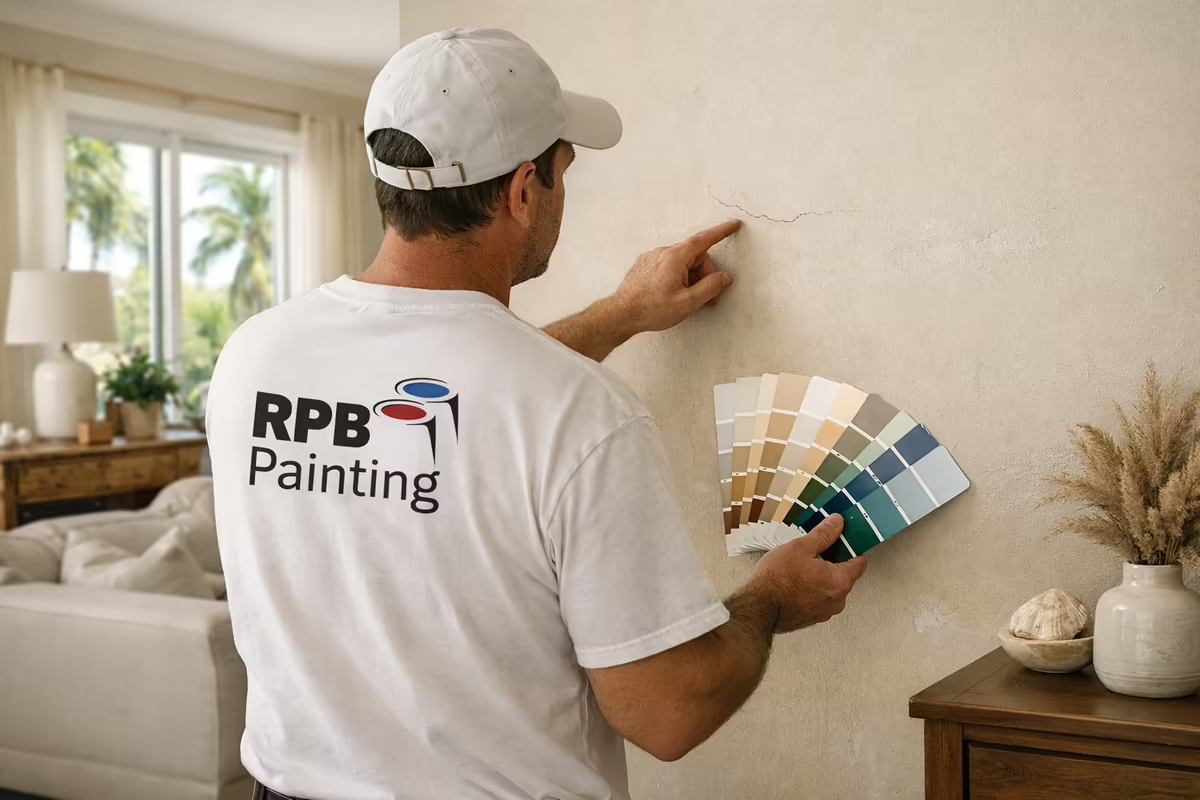
Cracking means the paint film has become brittle and is separating. Hairline cracks in stucco are common in older Brevard CBS construction and typically follow thermal movement in the block, these become paint cracks that allow water infiltration if not addressed. Bubbling, sometimes called blistering, means moisture has worked its way between the paint film and the substrate and is pushing upward, forming raised pockets in the paint surface.
Exterior cracking and bubbling often indicates a moisture source beyond simple paint aging, a leaking roof edge, failed window flashing, improper drainage near foundation walls, or failed caulk allowing water penetration. In these cases, the moisture source must be identified and corrected before repainting, or the new paint will fail in the same way within a short time.
Interior bubbling near a ceiling or along a plumbing wall should trigger an investigation for roof leaks or pipe leaks before any painting is considered. Painting over active moisture is a waste of money that masks a problem while allowing it to worsen.
5. Mold or Mildew Growth
Black, green, or gray spots on painted surfaces, especially in shaded exterior areas, near ground level, under roof eaves, in bathrooms, and in laundry rooms, indicate mold or mildew. This is one of the most common paint-related problems we encounter on Brevard County properties given the ambient humidity of coastal Florida.
Mold vs. dirt test: Apply a drop of household bleach to the spot. If it fades or disappears within a minute or two, you are looking at mold. If it remains, it is more likely dirt.
Why you cannot just paint over it: Painting over live mold without first killing it and removing the affected material is a temporary fix at best. Mold grows back through new paint within 6–12 months in Florida's climate. Any proper repaint in a mold-affected area must include mold remediation (bleach washing or professional treatment), full drying time, and application of a mildew-resistant primer before the topcoat.
6. Water Stains or Discoloration
Brown or yellowish water stains on ceilings and walls indicate either a past or ongoing leak, from a roof, HVAC condensation drip, or plumbing above the affected area. Even after a leak is repaired, the stain remains and will bleed through new paint unless the surface is treated with a stain-blocking primer before repainting.
Do not simply paint over water stains without first confirming the leak source has been resolved. In Florida's climate, ceiling stains from roof leaks are particularly common following hurricane season and during periods of sustained heavy rainfall. Treating the stain is part of the repair process, not just a cosmetic concern.
7. Visible Damage to Caulk and Sealants
Failed caulk around windows, doors, trim, and exterior penetrations (pipes, conduits, vents) is both a sign that a repaint is overdue and a specific preparation requirement that must be completed before any new paint is applied. Quality exterior caulk typically lasts 5–10 years before shrinking, cracking, or pulling away from surfaces.
In Brevard County, caulk failure is accelerated by the thermal cycling between summer heat and air-conditioned interiors, UV exposure on south- and west-facing surfaces, and occasional high winds that flex building components and stress sealant joints. Failed caulk is one of the primary entry points for water into a Florida home's wall assembly.
8. Outdated Colors or Dated Appearance
Sometimes the paint is not failing, it is simply showing its age stylistically. Paint color trends evolve, and a home painted in a popular palette from 10–15 years ago can read as dated even if the paint itself is physically intact. This is particularly relevant for homes being prepared for sale, where fresh, current paint colors can meaningfully affect buyer perception and time on market.
Exterior color trends in the Brevard County market have shifted noticeably in recent years toward warmer neutral palettes with contrasting trim, a significant departure from the cool grays and taupes that dominated a decade ago. If your home's exterior color makes it look like it was built in a different era, a color refresh is worth considering even if the paint surface is sound.
9. Visible Repairs or Patches That Were Never Painted
Drywall patches, spackled nail holes, and repaired stucco cracks that were never painted to match the surrounding wall are unsightly and leave the repaired area unprotected. Over time, unpainted repairs absorb moisture differently than the surrounding painted surface, which can cause the repair material to degrade faster than it otherwise would.
If you have accumulated patches from repairs over the years and the repairs are visible from across the room, you are beyond the point where touch-up paint will create an acceptable result. Touch-up paint on aged, faded walls almost never matches, a full coat is the only solution that produces a consistent finish.
10. Pre-Sale Preparation
Fresh paint is consistently the highest-return pre-sale investment in residential real estate. It creates the strong first impression that photographs require for online listings and that buyers form within seconds of walking through the front door. If you are planning to list your home within the next 6–12 months, a professional repaint, even if the existing paint is not technically failing, is worth serious consideration.
Priorities for pre-sale painting include: the front door and entryway (highest-visibility first impression), the main living areas, the kitchen, all bathrooms, and any rooms where wall colors are strongly personal or significantly dated. A neutral, current palette appeals to the broadest range of buyers and presents a home that looks move-in ready.
Act Before It Becomes a Repair Problem
The ideal time to repaint is when you observe two or three of these signs developing, not after paint has failed completely and substrate damage has begun. A proactive exterior repaint on a Brevard County home typically costs $3,500–$8,000. Repairing water-damaged stucco, rotted wood framing, or mold-compromised drywall before repainting can cost two to three times that figure.
If you are seeing any of these signs on your home, contact RPB Painting LLC for a free assessment. We will evaluate the condition of your paint surfaces, identify any underlying issues, and give you an honest recommendation on scope, timing, and approach, with no pressure and no surprises.